
Anthropic ने Next-Gen Compute के लिए Google और Broadcom के साथ अपनी Partnership बढ़ाई
#परिचय
Artificial general intelligence (AGI) की रेस जितनी algorithmic है, उतनी ही hardware और infrastructure का भी चैलेंज है। Frontier models को ट्रेन करने के लिए लगभग अकल्पनीय computational power की आवश्यकता होती है, और bottlenecks अब सिर्फ pure floating-point operations per second (FLOPS) से शिफ्ट होकर memory bandwidth और network interconnects पर आ गए हैं।
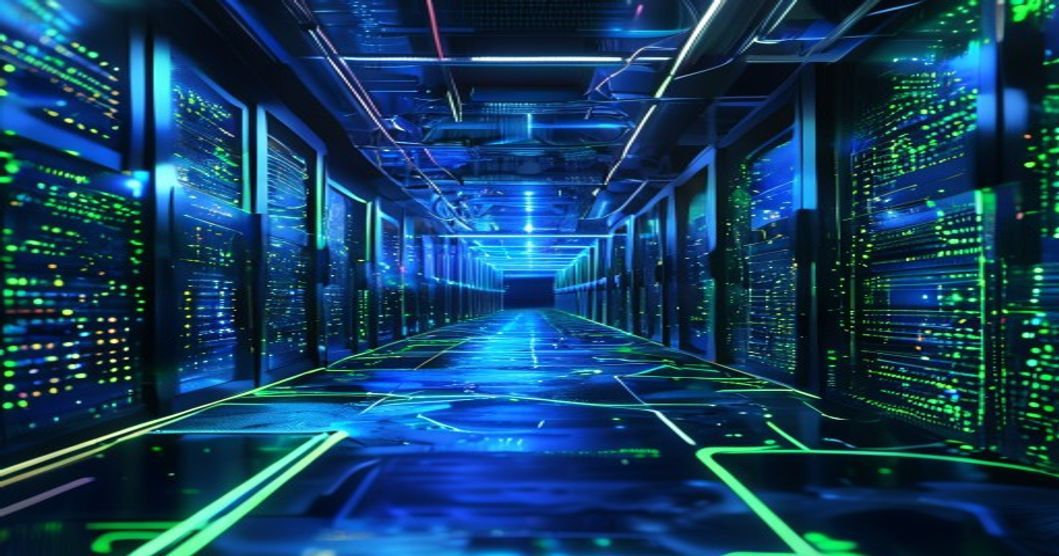
आज, Anthropic ने Google Cloud और Broadcom के साथ अपनी strategic partnership में एक बड़े विस्तार की घोषणा की है। इस tri-party collaboration का उद्देश्य विशेष रूप से Anthropic के unique machine learning architecture के लिए optimize किए गए next-generation compute clusters को co-design और deploy करना है। AI स्पेस पर नज़र रखने वाले developers और infrastructure engineers के लिए, यह partnership एक महत्वपूर्ण evolution का संकेत देती है: off-the-shelf commodity accelerators से हटकर deeply integrated, custom-built hardware stacks की ओर कदम।
#क्या हुआ?
Large language models (LLMs) की Claude फैमिली के पीछे काम करने वाली research company Anthropic ने Google Cloud के साथ अपने cloud infrastructure footprint के multi-year, multi-billion dollar expansion का कमिटमेंट किया है। सबसे महत्वपूर्ण बात यह है कि Broadcom को एक foundational partner के रूप में और गहराई से शामिल किया गया है।
यह agreement Anthropic को Google के upcoming generations के Tensor Processing Units (TPUs) और custom AI accelerators का priority access की गारंटी देता है। इस बीच, Broadcom आवश्यक high-speed networking ASICs, silicon photonics और advanced interconnect technologies प्रदान करेगा, जो इन लाखों chips को massive, synchronous training pods में एक साथ जोड़ने के लिए ज़रूरी हैं।
हालाँकि सटीक financial terms का खुलासा नहीं किया गया है, लेकिन hardware deployment के इस विशाल scale से Anthropic के पिछले training clusters के बौने साबित होने की उम्मीद है, जो उन्हें Claude 3.5 की तुलना में काफी बड़े और अधिक सक्षम models बनाने की स्थिति में लाता है।
#यह क्यों मायने रखता है
पिछले कई सालों से, AI industry में एक ही hardware vendor का भारी दबदबा रहा है। जबकि NVIDIA के GPUs और InfiniBand networking गोल्ड स्टैंडर्ड बन गए हैं, अत्यधिक demand के कारण supply chain constraints, बहुत ज़्यादा costs और AI infrastructure के प्रति एक homogenized approach देखने को मिली है।
यह expanded partnership तीन मुख्य कारणों से मायने रखती है:
- Hardware Diversification: Google के TPU architecture में भारी investment करके, Anthropic यह साबित कर रहा है कि frontier models के लिए strictly traditional GPUs की आवश्यकता नहीं है। यह diversification व्यापक ecosystem के लिए healthy है और compute pricing को कम करने में मदद करता है।
- Co-Design and Vertical Integration: Hardware के हिसाब से अपने software को adapt करने के बजाय, Anthropic अब hardware roadmap को influence करने के लिए काफी बड़ा हो गया है। Broadcom और Google networking topology और memory hierarchy को विशेष रूप से future Claude models द्वारा उपयोग किए जाने वाले mixture-of-experts (MoE) और attention mechanisms के अनुकूल बनाने के लिए tailor करेंगे।
- Overcoming the "Network Wall": Distributed training में, accelerators को दूसरे nodes से data आने का इंतज़ार करने में काफी समय लगता है। Broadcom का शामिल होना इस बात को highlight करता है कि AI capabilities में अगली छलांग network bandwidth द्वारा तय होगी, न कि सिर्फ raw compute द्वारा।
#Technical Implications
इस announcement की गंभीरता को समझने के लिए, हमें एक modern AI training cluster की anatomy को देखना होगा। एक trillion-parameter model को ट्रेन करने के लिए Data Parallelism (DP), Tensor Parallelism (TP) और Pipeline Parallelism (PP) के combination का उपयोग करके tens of thousands chips में workload को parallelize करने की आवश्यकता होती है।
#The Interconnect Bottleneck
जब एक massive matrix multiplication को multiple chips (Tensor Parallelism) में split किया जाता है, तो chips को लगभग instantly intermediate results को exchange करना होता है। यदि network slow है, तो accelerators idle बैठे रहते हैं, जिससे भारी मात्रा में energy और time बर्बाद होता है।
High-radix switches (जैसे Tomahawk family) और highly efficient SerDes (Serializer/Deserializer) technology में Broadcom की expertise यहाँ critical है। Silicon photonics की ओर बढ़ने से—जहाँ electrical copper cables के बजाय light का उपयोग करके racks के बीच data transmit किया जाता है—Broadcom और Google latency को काफी कम कर सकते हैं और bandwidth-to-power ratio को बढ़ा सकते हैं।
#TPUs vs. Traditional Clusters
Google के TPUs standard GPUs की तुलना में fundamentally अलग architecture के आसपास बनाए गए हैं। वे विशेष रूप से dense matrix operations के लिए डिज़ाइन किए गए Matrix Multiply Unit (MXU) का उपयोग करते हैं, जिसे एक custom synchronous interconnect architecture (अक्सर एक 3D torus topology) के साथ जोड़ा जाता है।
| Feature | Traditional GPU Cluster (e.g., H100) | Next-Gen TPU / Broadcom Pod |
|---|---|---|
| Core Architecture | Highly parallel streaming multiprocessors | Massive systolic arrays (MXUs) |
| Networking | InfiniBand / RoCE via discrete NICs | Integrated Inter-Core Interconnect (ICI) & Custom Broadcom ASICs |
| Topology | Non-blocking Fat Tree / Spine-Leaf | Multi-dimensional Torus / custom optical meshes |
| Focus | General-purpose accelerated computing | Deeply specialized for synchronous tensor operations |
Google के TPU pods के edge पर सीधे Broadcom के custom networking ASICs का लाभ उठाकर, Anthropic essentially एक massive cluster को एक single, giant accelerator के रूप में treat कर सकता है। यह उस "communication tax" को कम करता है जो आमतौर पर massive MoE model training runs को परेशान करता है, जिससे larger batch sizes और अधिक efficient gradient synchronization की अनुमति मिलती है।
#आगे क्या?
Short term में, यह infrastructure मुख्य रूप से Anthropic की internal research teams को serve करेगा। जैसे ही ये नए massive clusters late 2026 तक ऑनलाइन आएंगे, हम उम्मीद कर सकते हैं कि Claude 4 और potentially Claude 5 generation models की training तेज़ी से accelerate होगी।
Anthropic API का उपयोग करने वाले developers के लिए, यह hardware shift संभवतः दो तरीकों से सामने आएगा:
- Lower Latency Inference: Efficient training के लिए co-design किए गए architectures अक्सर specialized inference hardware तैयार करते हैं। Streaming applications के लिए faster Time-to-First-Token (TTFT) और higher throughput की अपेक्षा करें।
- Massive Context Windows: Broadcom की advanced packaging और optical interconnects द्वारा सुगम किए गए memory bandwidth improvements massive contexts को process करना काफी सस्ता बना देंगे, जो potentially standard context windows को 1-2 million token mark से बहुत आगे ले जा सकते हैं।
#निष्कर्ष
Anthropic, Google Cloud और Broadcom partnership strategic infrastructure engineering में एक मास्टरक्लास है। जैसे-जैसे models trillion-parameter mark को पार कर रहे हैं, hardware assembly का off-the-shelf approach अब पर्याप्त नहीं है।
Compute, custom silicon networking और model architecture को गहराई से integrate करके, Anthropic सिर्फ server space नहीं खरीद रहा है—वे एक specialized supercomputer बना रहे हैं। Ichiban Tools के developers और दुनियाभर के developers के लिए, यह एक ऐसे future का संकेत देता है जहाँ AI capabilities केवल physics और networking की limits से बंधी होंगी, जो faster, smarter और अधिक cost-effective AI utilities का मार्ग प्रशस्त करेंगी।