
Navigating the Generative World: Google Genie ने Street View को किया Integrate
जब 2024 में Google ने पहली बार Genie को introduce किया था, तो AI community इसकी क्षमता देखकर हैरान रह गई थी। यह सिर्फ एक single image या text prompt से interactive और playable 2D platformers generate कर सकता था। यह "world modeling" का एक शानदार example था—जहां एक AI सिर्फ observe करके किसी environment की physics और rules को सीख लेता है। आज की बात करें तो, चीज़ें retro gaming से आगे बढ़कर physical reality तक पहुँच गई हैं।
Recent reports के अनुसार, Google के Genie world model को कंपनी के massive Street View dataset का उपयोग करके real-world streets को simulate करने के लिए successfully scale किया गया है। यह महज़ Google Maps का कोई upgrade नहीं है; यह हमारे physical world के digital twins को generate करने, उनके साथ interact करने और उन्हें utilize करने के तरीके में एक बहुत बड़ा बदलाव (paradigm shift) है।
#आखिर हुआ क्या है?
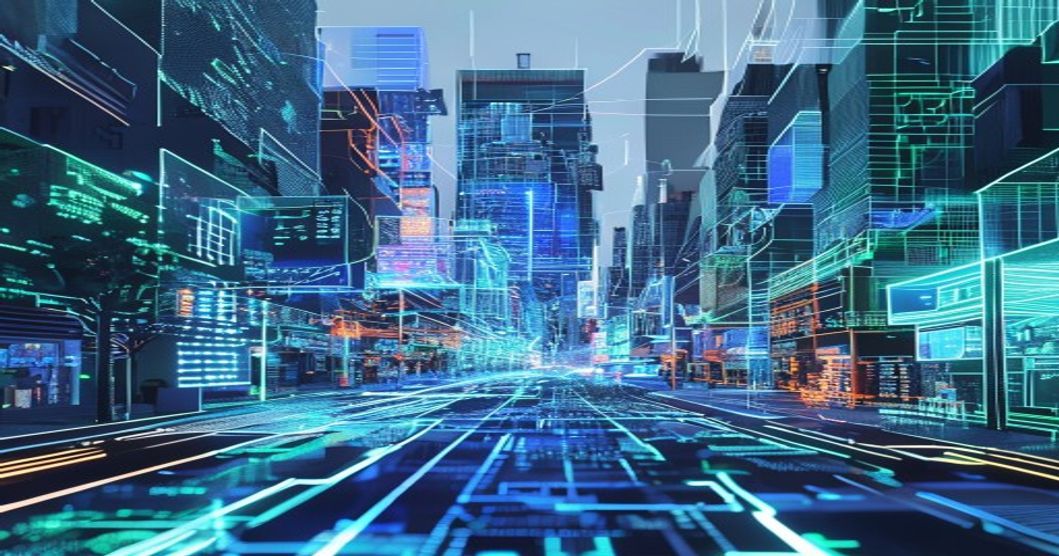
Genie का latest iteration synthetic 2D worlds generate करने से आगे बढ़कर अब real-world locations के continuous और interactive 3D simulations render कर रहा है। Historically, Google Street View हमेशा से panoramic image stitching पर rely करता आया है। जब आप navigate करते हैं, तो आप एक static spatial node से दूसरे पर discretely "jump" करते हैं।
Google ने Genie को millions of hours के sequential Street View data पर train किया है—जिसमें अलग-अलग शहर, weather conditions और दिन का अलग-अलग समय शामिल है—और real world के लिए एक generative interactive environment (GIE) तैयार किया है। Genie सिर्फ अगली photo display नहीं करता; यह real-time में intermediate frames और underlying physical constraints को generate करता है। अब आप सिर्फ panoramas के ज़रिए click नहीं कर रहे होते; बल्कि आप एक generatively simulated space में "drive" या "walk" कर रहे होते हैं जो spatial geometry, object permanence और realistic lighting को पूरी तरह respect करता है।
#यह इतना ज़रूरी क्यों है?
एक generative, real-world simulator के फायदे सिर्फ consumer mapping applications तक सीमित नहीं हैं। उन developers और engineers के लिए जो software और physical systems के intersection पर काम कर रहे हैं, यह एक watershed moment है।
- Embodied AI और Robotics: Autonomous agents को train करने के लिए आमतौर पर manually crafted, high-fidelity 3D environments (जैसे CARLA या Unreal Engine-based simulators) की ज़रूरत होती है। Genie एक infinitely scalable और बेहद diverse training ground offer करता है जो सीधे real-world data से generate होता है।
- Edge-Case Simulation: क्योंकि environment generative है, developers theoretically इसमें anomalies inject कर सकते हैं। क्या आप देखना चाहते हैं कि Tokyo के किसी खास neighborhood में parked car के पीछे से अचानक निकले एक simulated pedestrian पर vision model कैसे react करेगा? Genie इस scenario को synthesize कर सकता है।
- Urban Planning और Architecture: Teams एक शहर के historically और geometrically accurate generative model के अंदर नए structures को visualize कर सकती हैं। वे dynamically observe कर सकते हैं कि नई इमारत या सड़क के साथ light, traffic और pedestrians कैसे interact करेंगे।
#Technical Implications
2D platformer से real-world spatiotemporal simulator तक का सफर तय करने के लिए massive architectural leaps की ज़रूरत होती है, खासकर latent action spaces और temporal consistency को handle करने में।
#Unsupervised Action Spaces
Genie का एक defining feature है बिना explicit action labels के सीखने की क्षमता। Street View के context में, इसे steering wheel angles या acceleration metrics के साथ train नहीं किया गया था। इसके बजाय, model सिर्फ Street View camera cars के optical flow और temporal progression से latent action space को infer करता है। यह strictly visual state changes के ज़रिए सीखता है कि "moving forward," "turning left," या "panning" का आखिर मतलब क्या है।
#Spatio-Temporal Consistency
Video generation models का सबसे primary challenge होता है object permanence को maintain करना। शुरुआती world models "hallucinated geometry" से जूझते थे, जहाँ user के आगे बढ़ते ही इमारतें पिघलती हुई नज़र आती थीं या उनका architectural style बदल जाता था। Google ने Genie के generative latent space को localized geographic embeddings के साथ ground करके इस समस्या को लगभग खत्म कर दिया है, जिससे यह सुनिश्चित होता है कि कोई इमारत सामने से जैसी दिखती है, side से भी बिल्कुल वैसी ही लगे।
#Paradigms का Comparison
| Feature | Traditional Street View | Genie-Simulated Street View |
|---|---|---|
| Navigation | Discrete node-jumping | Continuous, frame-by-frame generation |
| Interactivity | Static viewing | Dynamic interaction (अलग-अलग speeds, angles) |
| Data Representation | Stitched spherical panoramas | Latent spatio-temporal embeddings |
| Lighting/Weather | Capture के समय fixed | Generatively modifiable |
#The Developer Surface
हालाँकि Google ने अभी तक कोई public API release नहीं किया है, फिर भी हम speculate कर सकते हैं कि एक autonomous agent pipeline में generative world model को integrate करना कैसा दिखेगा। Maps के लिए static API calls के बजाय, हम संभवतः state transitions को stream कर रहे होंगे:
import genie_api

# Initialize the world model at a specific coordinate
environment = genie_api.WorldModel(
    location="37.7749° N, 122.4194° W", # San Francisco
    weather="overcast",
    time_of_day="14:00"
)

agent = AutonomousAgent()
state = environment.get_initial_state()

# The simulation loop
for step in range(1000):
    # Agent infers the next move based on visual state
    action = agent.predict_action(state.visual_frame)

    # Genie generates the next realistic state based on the latent action
    state, collision_detected = environment.step(action)

    if collision_detected:
        print(f"Agent collision at step {step}")
        break
#आगे क्या?
Immediate next step संभवतः Genie के साथ large multimodal models (LMMs) का integration होगा। ज़रा एक ऐसे agent की कल्पना करें जो सिर्फ navigate ही नहीं करता, बल्कि अपने environment के बारे में reason भी कर सकता है: "इस गली में आगे जाओ, red awning वाला cafe ढूँढो, और उसके patio पर बैठने का simulation करो।"
इसके अलावा, हम significant optimization efforts की भी उम्मीद कर रहे हैं। High-resolution, consistent generative video के लिए real-time inference run करना बहुत ज़्यादा compute-heavy होता है। इसे बड़े scale पर commercially viable बनाने के लिए, Google निश्चित रूप से sub-quadratic architectures और heavily quantized models में advancements को push करेगा।
#Conclusion
Genie world model में Street View का Google का integration map और असल दुनिया के बीच के फर्क को मिटा देता है। पहली बार, हमारे पास एक ऐसा machine learning model है जो reality को इतनी precision के साथ hallucinate करने में सक्षम है कि वह functionally useful बन सके। Ichiban Tools में, हमारा मानना है कि यह developers के लिए एक नए युग की शुरुआत है—एक ऐसा युग जहाँ हमारा software सिर्फ data process नहीं करता, बल्कि simulated realities में natively रहता है और navigate करता है। Physical world अब officially tokenize हो रही है, और इसकी possibilities असीमित हैं।