
Linux Kernel की AI Coding Assistants पर Official Policy: आपको क्या जानना चाहिए
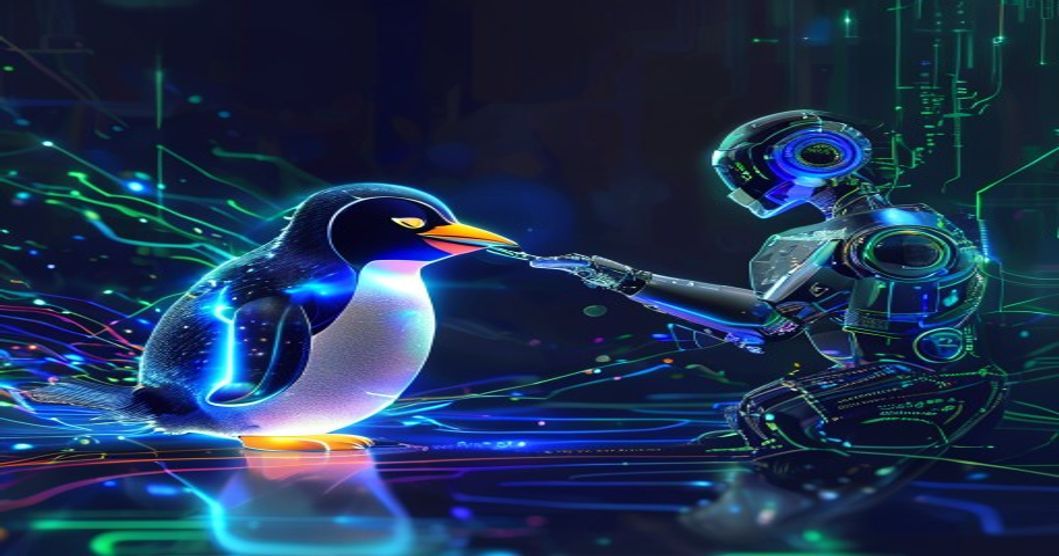
Software development की दुनिया में GitHub Copilot, ChatGPT, और Claude जैसे AI coding assistants के तेज़ी से बढ़ने के साथ एक बहुत बड़ा बदलाव आ रहा है। जहाँ web development और user-space application ecosystems ने इन tools को अपने daily workflows में तेज़ी से integrate कर लिया है, वहीं systems programming की दुनिया—खासकर Linux kernel community—ने हमेशा से बहुत ज़्यादा सावधानी बरती है। Global infrastructure में kernel के foundational role को देखते हुए, जो Android smartphones से लेकर supercomputers और cloud architectures तक सब कुछ power करता है, यह conservative approach पूरी तरह से सही भी है। अब, Linux kernel community ने officially AI assistance पर अपना रुख (stance) तय कर दिया है, जो open-source governance और artificial intelligence के संगम में एक बहुत बड़ा milestone है।
#Introduction: एक बदलता Paradigm
दशकों से, Linux kernel को mailing list reviews, subsystem maintainer sign-offs, और deep architectural discussions की एक rigorous, human-centric process के ज़रिए maintain किया जाता रहा है। ऐसे AI tools का आना जो seconds में सैकड़ों lines का C code generate कर सकते हैं, इस established ecosystem के लिए एक बहुत बड़ी productivity opportunity और एक अनोखा खतरा दोनों पेश करता है। यहाँ primary concern कभी भी gatekeeping नहीं रहा है; यह हमेशा एक operating system kernel के लिए ज़रूरी uncompromising quality और security standards को maintain करने के बारे में रहा है। नए documentation के साथ, community ने formally address किया है कि ये modern tools उनके traditional workflow में कैसे फिट बैठते हैं।
#क्या हुआ: coding-assistants.rst का Introduction
हाल ही में, Linux kernel source tree में एक बहुत ही crucial नया documentation merge किया गया है: Documentation/process/coding-assistants.rst। यह document उन contributors के लिए official guideline का काम करता है जो kernel patches लिखते समय Large Language Models (LLMs) और अन्य AI tools का इस्तेमाल (leverage) करना चाहते हैं।
दिलचस्प बात यह है कि Linux kernel maintainers ने AI tools पर blanket ban नहीं लगाया। इसके बजाय, यह document एकदम clear और unambiguous boundaries और expectations तय करता है। इसकी core philosophy को एक बड़े rule में summarize किया जा सकता है: आप AI का इस्तेमाल कर सकते हैं, लेकिन उसके output की पूरी ज़िम्मेदारी (ownership) आपकी होगी।
Documentation explicitly बताता है कि हालांकि ये tools boilerplate draft करने, complex concepts को समझने, या APIs explore करने के लिए useful हो सकते हैं, लेकिन code की correctness, security, और licensing compliance की ज़िम्मेदारी पूरी तरह से patch submit करने वाले इंसान के कंधों पर होती है। AI को एक unreliable junior developer की तरह ही treat किया जाता है, जिसके काम को आपको अपना नाम और reputation दांव पर लगाने से पहले rigorously verify करना होगा।
#यह क्यों मायने रखता है: Industry में एक Precedent Set करना
Linux kernel यकीनन इतिहास का सबसे successful और scrutinized open-source project है। जब Linus Torvalds और kernel maintainers कोई policy बनाते हैं, तो बाकी software industry भी उस पर पूरा ध्यान देती है।
यह कदम बेहद significant है क्योंकि यह industry की बातचीत को "क्या हमें AI allow करना चाहिए?" से हटाकर "हम high-stakes engineering environments में AI को safely और responsibly कैसे integrate करें?" पर ले आता है। इस policy को formalize करके, Linux community यह validate करती है कि AI tools modern developer toolchain का एक अभिन्न हिस्सा बनते जा रहे हैं। हालाँकि, इसके साथ ही यह human accountability की absolute necessity पर भी ज़ोर देता है।
एक standard web application में, AI-induced bug की वजह से कोई misaligned button या failed API call हो सकता है। लेकिन Linux kernel में, एक छोटी सी गलती (subtle error) arbitrary code execution, catastrophic kernel panics, या अरबों devices को affect करने वाली massive security vulnerabilities का कारण बन सकती है। Automated generation पर आँख मूँद कर भरोसा करने के लिए यहाँ risks (stakes) बहुत ज़्यादा हैं।
#Technical Implications: Burden of Proof
नई guidelines कई critical technical और legal implications को highlight करती हैं जिन्हें contributors को ध्यान में रखना होगा:
- The Developer's Certificate of Origin (DCO): Kernel यह ensure करने के लिए DCO process (
Signed-off-bytag) पर बहुत ज़्यादा depend करता है कि developers के पास GPL-2.0 license के तहत अपना code submit करने का legal right है। चूँकि AI models बहुत बड़े, और अक्सर opaque datasets पर train होते हैं, इसलिए उनमें copyrighted code को ज्यों का त्यों उगल (regurgitate) देने का एक inherent risk होता है। नई policy यह crystal clear कर देती है कि submitter पूरी तरह से ज़िम्मेदार है यह ensure करने के लिए कि generated code किसी copyright या licensing terms का violation नहीं करता। आप किसी licensing violation के लिए "इसे AI ने लिखा है" को legal defense के तौर पर इस्तेमाल नहीं कर सकते। - The Illusion of Correctness: AI models ऐसा code produce करने के लिए बदनाम हैं जो syntactically तो perfect दिखता है लेकिन logically flawed होता है—इसे अक्सर "hallucinating" कहा जाता है। Kernel space में, memory management, concurrency, interrupts, और hardware interaction जैसे concepts बिलकुल भी माफ़ी के लायक (unforgiving) नहीं होते। एक AI casually किसी ऐसे context में standard spinlock यूज़ करने का suggestion दे सकता है जहाँ strictly एक raw spinlock या RCU (Read-Copy-Update) mechanism की ज़रूरत होती है, जिससे ऐसी race conditions पैदा हो सकती हैं जिन्हें debug या reproduce करना लगभग नामुमकिन होता है।
- The Review Burden: Kernel mailing lists पहले से ही high-traffic environments हैं। Maintainers सही मायनों में low-quality, AI-generated patches की बाढ़ आने के potential से चिंतित हैं जो reviewers को overwhelm कर सकती है। ऐसा code submit करना जिसे आप पूरी तरह से नहीं समझते हैं, strongly discourage किया जाता है। अगर किसी maintainer को पता चलता है कि आप बिना rigorous local testing और comprehension के AI-generated patches को थोक में (shotgunning) भेज रहे हैं, तो community में आपकी reputation को irreparable नुकसान पहुँचेगा।
#आगे क्या: Kernel Development का Evolution
जैसे-जैसे AI models evolve होते जा रहे हैं, हम expect कर सकते हैं कि वे domain-specific constraints को समझने में और ज़्यादा adept (माहिर) हो जाएंगे। Coding assistants के future iterations को specifically Linux kernel codebase पर fine-tune किया जा सकता है, जिससे वे आज के generalized models के मुकाबले kernel-specific idioms, memory barriers, और driver model conventions को बहुत बेहतर तरीके से समझ सकेंगे।
हालाँकि, जब तक ये tools complex system architectures और hardware-level interactions के बारे में reliably reason नहीं कर सकते, तब तक उनका role strictly advisory ही रहेगा। Kernel developers को नई skills develop करने की ज़रूरत होगी—खासकर, kernel की stringent architectural requirements के खिलाफ AI-generated suggestions को तेज़ी से audit, critique, और verify करने की ability।
#Conclusion
Linux kernel documentation में coding-assistants.rst का जुड़ना एक pragmatic और बहुत ही ज़रूरी कदम है। यह modern software development tools की reality को अपनाता है और साथ ही kernel की integrity, security, और legal standing को सख्ती से protect करता है। Linux में contribute करने वाले developers के लिए, message एकदम clear है: ऐसे किसी भी tool का इस्तेमाल करें जो आपको productive बनाता हो, लेकिन कभी भी अपने engineering judgment से समझौता न करें (surrender न करें)। सच का ultimate compiler आज भी इंसानी दिमाग (human mind) ही है।