
Embodied AI में Meta का बड़ा कदम: Assured Robot Intelligence का अधिग्रहण
#Introduction
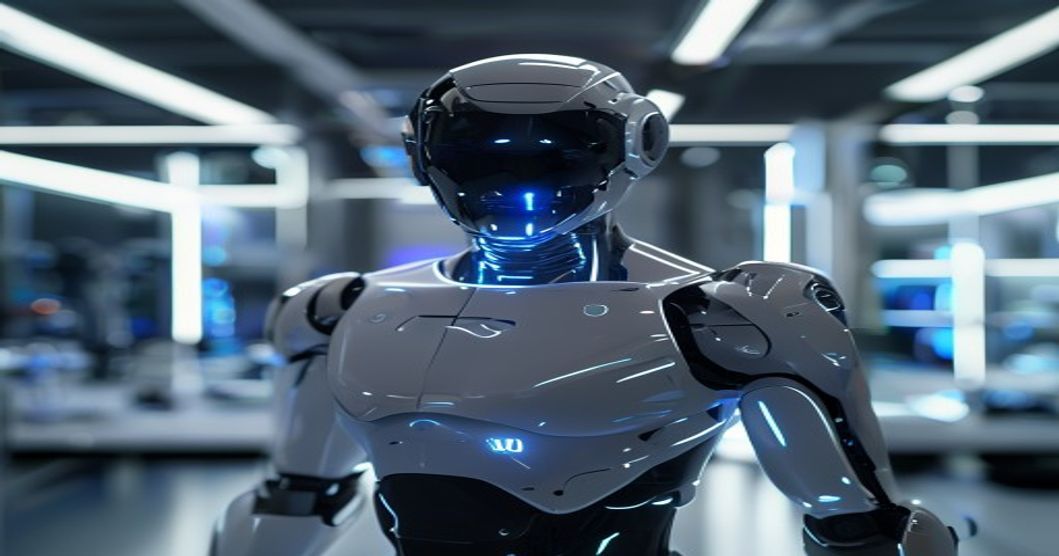
Generative AI और physical robotics के बीच की लाइन अब पहले से कहीं ज़्यादा तेज़ी से धुंधली हो रही है। 1 मई 2026 को, Meta ने San Diego-based प्रमुख startup, Assured Robot Intelligence (ARI) का अधिग्रहण करके एक निर्णायक कदम उठाया है, जो इस बड़े बदलाव को दर्शाता है। AI space में काम कर रहे engineers और developers के लिए, यह सिर्फ एक और corporate buyout नहीं है। यह "embodied AI" की दिशा में एक foundational step है — ऐसे intelligent systems जहाँ compute सिर्फ किसी server rack तक सीमित नहीं रहता, बल्कि असल दुनिया के साथ real-time में interact करता है।
पिछले कुछ सालों में, developer ecosystem का पूरा focus Large Language Models (LLMs) और diffusion models में महारत हासिल करने पर रहा है। लेकिन अब, paradigm shift हो रहा है high-precision dexterity, spatial reasoning, और real-time physical interaction की ओर। यह acquisition Meta के उस ambition को हाईलाइट करता है जहाँ वे digital reasoning और physical execution को जोड़ने वाला platform बनना चाहते हैं।
#क्या हुआ: Meta ने ARI को Acquire किया
Assured Robot Intelligence के इस अधिग्रहण के साथ Meta को लगभग 20 experts की एक highly specialized team मिली है, जिसे co-founders Lerrel Pinto और Xiaolong Wang लीड कर रहे हैं। पूरी ARI team अब Meta की Superintelligence Labs का हिस्सा बनेगी और Meta Robotics Studio के साथ closely काम करेगी।
हालाँकि इस deal की financial details अभी सामने नहीं आई हैं, लेकिन इसका strategic intent बिल्कुल साफ़ है: Meta वह foundational "AI brain" बनाना चाहता है जो next generation के humanoid robots और autonomous physical machines को पावर देगा। उन traditional robotics companies के उलट, जिनका focus मुख्य रूप से mechanical hardware, actuators और hydraulics पर होता है, ARI खास तौर से "behavioral intelligence layer" में specialize करती है। उनका primary engineering challenge मशीनों को यह सिखाना रहा है कि वे कैसे complex, unstructured environments — जैसे व्यस्त अस्पतालों, dynamic factory floors, और अस्त-व्यस्त लिविंग रूम्स — में human behavior को गहराई से समझें, predict करें और dynamically adapt करें।
#यह क्यों मायने रखता है: Metaverse के पार
सालों तक, Meta का long-term vision पूरी तरह से Metaverse — एक purely virtual social infrastructure — से जुड़ा हुआ था। लेकिन जैसे-जैसे generative AI की capabilities बढ़ी हैं, industry consensus बदल गया है। Ultimate computing interface अब सिर्फ एक VR headset नहीं रह गया है; यह एक intelligent agent है जो physical world में हमारे साथ-साथ काम करता है।
ARI की expertise को integrate करके, Meta खुद को Tesla (Optimus), Figure, Amazon, और Nvidia के Project GR00T जैसे अन्य tech heavyweights के साथ सीधे competition में खड़ा कर रहा है।
- The Hardware/Software Split: ऐसा लगता है कि Meta एक horizontal platform approach अपना रहा है, ठीक वैसे ही जैसे उसने LLaMA models के साथ किया था। Metal chassis बनाने और robots मैन्युफैक्चर करने के बजाय, वे उन foundational models को own करना चाहते हैं जो इन रोबोट्स को चलाते हैं।
- The Data Flywheel: Real world में ऑपरेट करने वाले Humanoid robots भारी मात्रा में multi-modal training data (high-resolution video, spatial audio, tactile feedback, और 3D mapping) generate करते हैं। इस real-world telemetry को Artificial General Intelligence (AGI) हासिल करने के लिए सबसे ज़रूरी missing piece माना जा रहा है।
#Technical Implications: "Behavioral Intelligence Layer"
Engineering के नज़रिए से देखें, तो एक behavioral intelligence layer को develop करना text-based LLM को train करने से बिल्कुल अलग और चुनौतीपूर्ण है।
#Latency और Edge Compute
जब कोई robot किसी human के साथ interact कर रहा होता है, तो आप cloud server तक 500ms के API round-trip time को afford नहीं कर सकते। Inference को local level पर edge पर ही होना चाहिए। इसके लिए heavily quantized models की ज़रूरत होती है जो robot के hardware architecture में सीधे integrate किए गए specialized neural processing units (NPUs) पर चलते हैं।
#Continuous Reinforcement Learning
Standard LLMs को ज़्यादातर static text datasets पर offline train किया जाता है। Embodied AI को सीधे physical environment में continuous Reinforcement Learning from Human Feedback (RLHF) की ज़रूरत होती है। अगर कोई robot एक कप पकड़ने की कोशिश करता है और वह फिसल जाता है, तो model को अगली ही कोशिश के लिए अपने kinematic grip parameters को dynamically adjust करने की क्षमता होनी चाहिए।
#Multi-Modal Sensor Fusion
ARI का technology stack बहुत हद तक advanced sensor fusion पर निर्भर करता है। यह सिर्फ computer vision नहीं है; इसमें visual data को LiDAR point clouds, fingertips पर लगे tactile sensors, और internal joints से मिलने वाले proprioceptive feedback के साथ aggressively combine करने की ज़रूरत होती है।
Embodied AI decision loop का यह conceptual architecture कोड में कुछ इस तरह दिख सकता है:
// Conceptual example of an Embodied AI control loop
interface SensorState {
  vision: FrameData;
  tactile: Array<PressureSensor>;
  proprioception: JointAngles;
  lidar: PointCloud;
}

async function physicalControlLoop(currentState: SensorState): Promise<void> {
  // 1. Perception and Context Processing
  const fusedContext = await SensorFusionEngine.process(currentState);

  // 2. Behavioral Intelligence Layer (ARI's domain)
  // Inferring human intent and formulating spatial plans
  const safeActionPlan = await BehavioralModel.infer(fusedContext, {
    safetyConstraints: 'strict',
    environment: 'unstructured_human_presence',
    maxLatencyMs: 10
  });

  // 3. Actuation and Execution
  await RobotHardware.executeKinematics(safeActionPlan);
}
यहाँ involved stack layers का एक आसान overview दिया गया है:
| Layer | Component | Function |
|---|---|---|
| Perception | Sensor Fusion Engine | Vision, audio, और tactile telemetry को aggregate करता है। |
| Cognitive | Spatial LLM | State को process करता है, goal-oriented semantic plans तैयार करता है। |
| Behavioral | ARI Policy Network | High-level plans को safe physical actions में translate करता है। |
| Execution | Actuator Control Loop | Sub-millisecond motor commands (PID controllers) को handle करता है। |
#आगे क्या: Humanoid AI की रेस
Meta की Superintelligence Labs में ARI के integration से यकीनन कई पावरफुल नए foundational models सामने आएँगे। Meta के पिछले track record को देखते हुए, इस बात की बहुत ज़्यादा संभावना है कि वे खास तौर पर robotic control के लिए डिज़ाइन किया गया एक open-source "Robo-LLaMA" रिलीज़ करेंगे। अगर Meta इस behavioral layer को सफलतापूर्वक open-source कर देता है, तो यह robotics industry को ठीक उसी तरह democratize कर सकता है जैसे LLaMA ने proprietary LLM market को disrupt किया था।
अगले 12 से 18 महीनों में, developers उम्मीद कर सकते हैं कि Meta कई major research papers पब्लिश करेगा जो real-time spatial reasoning करने में सक्षम novel neural architectures की डिटेल देंगे। हमें शायद hardware manufacturers के साथ strategic partnerships भी देखने को मिलेंगी, जो Meta के इन नए "AI brains" को फिट करने के लिए physical shells बनाएँगे।
#Conclusion
Meta द्वारा Assured Robot Intelligence का अधिग्रहण इस बात का एक बहुत बड़ा और साफ़ संकेत है कि tech industry अब तेज़ी से conversational AI से embodied AI की तरफ शिफ्ट हो रही है। Developers और engineers के लिए इसका सीधा मतलब यह है कि भविष्य के tech stacks और toolkits को physics engines, complex sensor fusion APIs, और real-time edge inference को उतनी ही आसानी से handle करना होगा, जितनी आसानी से आज वे REST endpoints और JSON payloads को handle करते हैं। Ultimate AI brain बनाने की यह रेस शुरू हो चुकी है, और अब finish line cloud में नहीं — बल्कि physical world में है।