
Copilot 'For Entertainment Purposes Only' है: Microsoft के Terms of Use को समझना
#Introduction
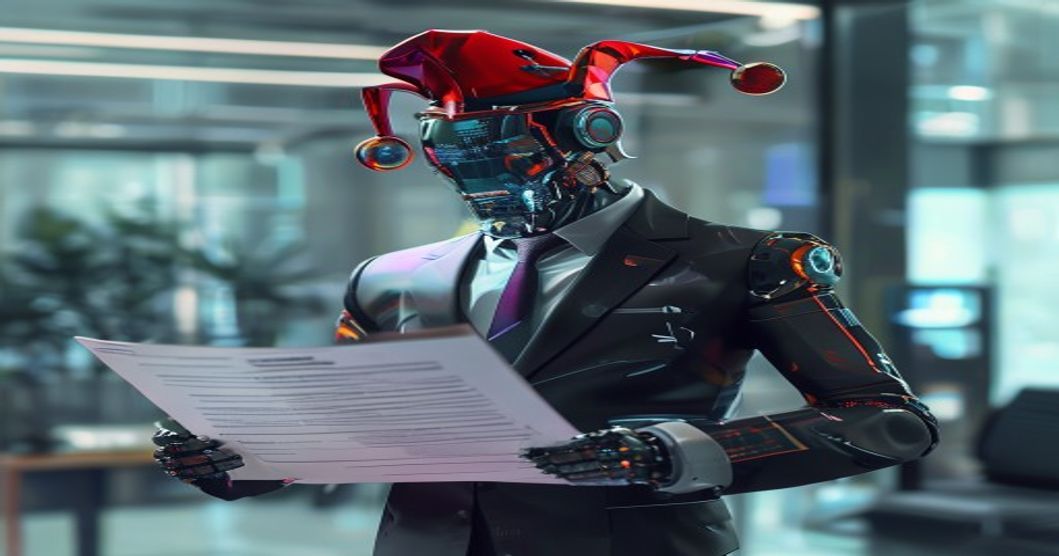
हाल ही में एक हैरान कर देने वाले घटनाक्रम में, जिसने software engineering community को थोड़ा amused और चिंतित दोनों कर दिया है, Microsoft ने अपने flagship AI assistant, Copilot के Terms of Service को update किया है। TechCrunch की एक recent report के अनुसार, fine print में अब साफ़ तौर पर लिखा है कि Copilot के outputs "for entertainment purposes only" (केवल मनोरंजन के उद्देश्य से) provide किए जाते हैं।
एक ऐसे product के लिए जिसे ultimate productivity booster के रूप में aggressively market किया गया हो—जो VS Code, GitHub और अनगिनत enterprise workflows के साथ गहराई से integrated हो—यह legal पैंतरेबाज़ी एक बहुत बड़ा बदलाव है। एक enterprise-grade coding assistant, जो खुद को "10x developer" enabler के रूप में पेश करता है, अपनी position को उस legal classification के साथ कैसे reconcile कर सकता है जो आमतौर पर consumer chatbots और novelty apps के लिए रिज़र्व होता है? इस पोस्ट में, हम unpack करेंगे कि क्या हुआ, यह क्यों matter करता है, और दुनियाभर की engineering teams के लिए इसके concrete technical implications क्या हैं।
#What Happened
पिछले हफ़्ते के आख़िर में, Microsoft Copilot End User License Agreement (EULA) का एक update social media और developer forums पर तेज़ी से circulate होने लगा। Liability limitations और data usage की details देने वाले standard boilerplate के बीच चुपचाप एक नया clause डाल दिया गया था, जो AI के outputs के intended use case को साफ़ तौर पर downgrade कर रहा था।
Revised terms stipulate करते हैं कि Copilot द्वारा generate किए गए code, suggestions और text पर mission-critical applications, production-grade software, या professional advice के लिए भरोसा नहीं किया जाना चाहिए। Output को legally "entertainment" के रूप में classify करके, Microsoft का legal department एक साफ़ लकीर खींच रहा है। हालाँकि यह phrasing broader AI space के लिए पूरी तरह से नया नहीं है—कई consumer-facing LLMs liability से बचने के लिए इसी तरह की language का इस्तेमाल करते हैं—लेकिन इसे एक paid, enterprise-focused developer tool पर apply करना unprecedented है और यह टूल और उसके users के बीच के formal relationship को काफी हद तक बदल देता है।
#Why It Matters
"Entertainment purposes only" clause का insertion fundamentally एक liability shield है। जैसे-जैसे पिछले कुछ सालों में AI adoption आसमान छूने लगा है, वैसे-वैसे AI-generated code को deploy करने से जुड़े risks भी बढ़ गए हैं। Microsoft और GitHub उन potential legal pitfalls से अच्छी तरह वाकिफ़ हैं जो सामने आ सकते हैं:
- Security Vulnerabilities: अगर एक AI code का ऐसा block suggest करता है जो एक severe SQL injection, buffer overflow, या memory leak introduce करता है, तो उसके बाद होने वाले data breach के लिए legally कौन ज़िम्मेदार है?
- Copyright Infringement: Enterprise users के लिए copyright claims के रिगार्डिंग indemnification के पिछले public pledges के बावजूद, यह नया clause intellectual property disputes के ख़िलाफ़ legal defense की एक overarching layer जोड़ देता है।
- System Outages: Hallucinated APIs, deprecated packages, या flawed logic पर rely करने से catastrophic production failures और costly downtime हो सकता है।
Personal projects पर काम करने वाले individual developers के लिए, यह शायद legal trivia का एक मज़ेदार हिस्सा हो। लेकिन हज़ारों seats के लिए premium licensing fees चुकाने वाले enterprise clients के लिए, यह एक अजीब dichotomy create करता है। Marketing department एक transformative engineering paradigm बेच रहा है, जबकि legal department officially एक बेहद sophisticated खिलौना बेच रहा है। इस shift से Fortune 500 companies में internal compliance reviews trigger होने की पूरी संभावना है, जो उन्हें AI-generated code पर अपने reliance को re-evaluate करने के लिए मजबूर करेगा।
#Technical Implications
डे-टू-डे काम करने वाले software engineer के लिए इसका क्या मतलब है? Practically speaking, यह rigorous engineering fundamentals की absolute necessity को reinforce करता है। AI एक powerful drafting tool है, लेकिन यह quality का final arbiter नहीं हो सकता।
#1. The Burden of Proof Remains 100% on the Developer
Copilot के output को अब, पहले से कहीं ज़्यादा, उसी skepticism के साथ treat किया जाना चाहिए जैसे किसी outdated Stack Overflow thread के unverified snippet को किया जाता है। Loop में मौजूद developer सिर्फ़ एक passive reviewer नहीं है; वे accountability के sole bearer हैं। अगर code production में फटता है, तो "Copilot ने इसे लिखा था" कोई valid excuse नहीं होगा।
#2. Elevated Importance of Automated Tooling
जब AI legally एक "entertainer" के रूप में काम कर रहा है, तो आपकी CI/CD pipeline आपका primary line of defense बन जाती है। Static Application Security Testing (SAST), Dynamic Application Security Testing (DAST), rigid linting rules, और comprehensive unit testing अब non-negotiable हैं।
#3. Compliance and Audit Trails
Organizations को शायद यह identify करने के लिए stricter audit trails implement करने पड़ें कि codebase का कौन सा हिस्सा AI suggestions पर heavily reliant था। अगर टूल legally production use के लिए नहीं है, तो compliance और risk-management departments को AI-assisted modules के लिए explicit sign-offs या secondary human reviews की ज़रूरत पड़ सकती है।
यहाँ एक quick breakdown है कि कैसे यह legal shift development landscape को बदल देता है:
| Implication Area | Pre-Update Expectation | Post-Update Reality |
|---|---|---|
| Accountability | Ambiguous / Shared responsibility | 100% human developer |
| Primary Classification | Professional productivity tool | "Entertainment" |
| Legal Liability | Pledges of indemnification | Absolute liability waiver |
#What's Next
Microsoft का यह defensive legal move शायद broader industry realignment में गिरने वाला पहला domino है। हम safely expect कर सकते हैं कि OpenAI, Anthropic, और Google जैसे अन्य major AI providers भी इसी तरह के defensive posture को reflect करने के लिए अपने terms of service update करेंगे।
इसके अलावा, हम जल्द ही AI tooling market में एक stark bifurcation देख सकते हैं। निकट भविष्य में, "Standard" tiers (जो entertainment clauses और liability waivers के साथ bundled होंगे) और strictly bound "Enterprise/Guaranteed" tiers हो सकते हैं। इन specialized enterprise tiers के साथ likely massive price tags, rigorous output guardrails, और actual Service Level Agreements (SLAs) आएँगे जो legally generated code की validity और safety को back करेंगे।
#Conclusion
"Entertainment purposes only" clause Large Language Models की current limitations का एक stark, legally binding reminder है। हालाँकि AI assistants boilerplate generation को accelerate करने, नए frameworks explore करने, और architecture को brainstorm करने के लिए incredibly powerful tools बने हुए हैं, लेकिन वे autonomous engineers नहीं हैं।
Ichiban Tools में, हम robust, predictable developer utilities बनाने में विश्वास करते हैं जिन पर आप भरोसा कर सकें—जिसमें कोई "entertainment" clauses attached नहीं हों। Software development का future निस्संदेह AI को involve करेगा, लेकिन यह human pilot ही है जो flight के लिए पूरी तरह से ज़िम्मेदार रहता है। Build करते रहें, अपने code को meticulously review करते रहें, और याद रखें: entertainment का मज़ा लें, लेकिन एक thorough code review के बिना इसे सीधे production में push न होने दें।